
What we treat
Low Back Pain
One-on-one physical therapy for low back pain, disc pain, sciatica and spasms in Marietta & East Cobb. Guideline-based care. Book a 90-minute evaluation.
Book an AppointmentUnderstanding the condition
Understanding low back pain
One-on-one physical therapy for low back pain, disc pain, sciatica and spasms in Marietta & East Cobb. Guideline-based care. Book a 90-minute evaluation.
Low Back Pain Treatment in Marietta and East Cobb
Low back pain is one of the most common reasons adults miss work, workouts and sleep. It can be scary, but most back pain isn't caused by serious damage, and physical therapy is a recommended first-line treatment. At Prevent & Restore, your 90-minute one-on-one evaluation finds what aggravates and eases your back. Then we build a plan to calm the pain, rebuild your confidence in moving, and strengthen you so it's less likely to return.
Common low back conditions we treat
- Acute low back pain and spasms, the "I bent over to pick something up" kind. Typically a muscle spasm but can be disc-related. The sooner you can start rehab, the better. Guidelines list spinal manipulation as one option for recent back pain.
- Disc-related pain, including bulging or herniated discs, with or without leg pain. The squishy part between your vertebrae is stressed enough to the point it bulges or herniates and starts to put pressure on the surrounding nerves. Disc-related pain, including bulging or herniated discs, with or without leg pain. The squishy part between your vertebrae is stressed enough to the point it bulges or herniates and starts to put pressure on the surrounding nerves.
- Sciatica and lumbar radiculopathy. Pain, numbness or tingling down the leg. See also our Nerve Pain page.
- Lumbar spinal stenosis. The age-related narrowing of the spinal canal can put pressure on the nerves that run to your legs, resulting in leg pain or heaviness with standing and walking that eases when you sit or lean forward. We'll discuss how to return to activities you love, minimize symptoms when upright, and work around your diagnosis.
- Sacroiliac (SI) joint pain. The SI joint refers to the connection of your pelvis to your spine. The SI joint can be a source of pain here or in related areas, so it is an important piece of the assessment we look at for all lower back pain.
- Chronic or recurring back pain that keeps coming back every few months.
- Back pain in lifters, runners and golfers. What are some contributing factors that could be limiting your lift or swing (e.g., thoracic spine or hip mobility)?
When to see a doctor first
Go to the emergency room if back pain comes with new numbness in the groin or inner thighs, loss of bladder or bowel control, or rapidly worsening leg weakness. These can be signs of cauda equina syndrome. See your physician promptly for back pain with fever, a history of cancer, unexplained weight loss, significant trauma, or constant pain at night that doesn't change with position. We screen for all of these at your evaluation.
How we treat low back pain
Your 90-minute evaluation includes a detailed history, movement testing, a neurological screen, hip and core strength testing, and a look at how you lift, sit, sleep and train. You'll leave knowing what's going on, what you can safely keep doing, and what to do at home that night.
60-minute follow-ups usually combine:
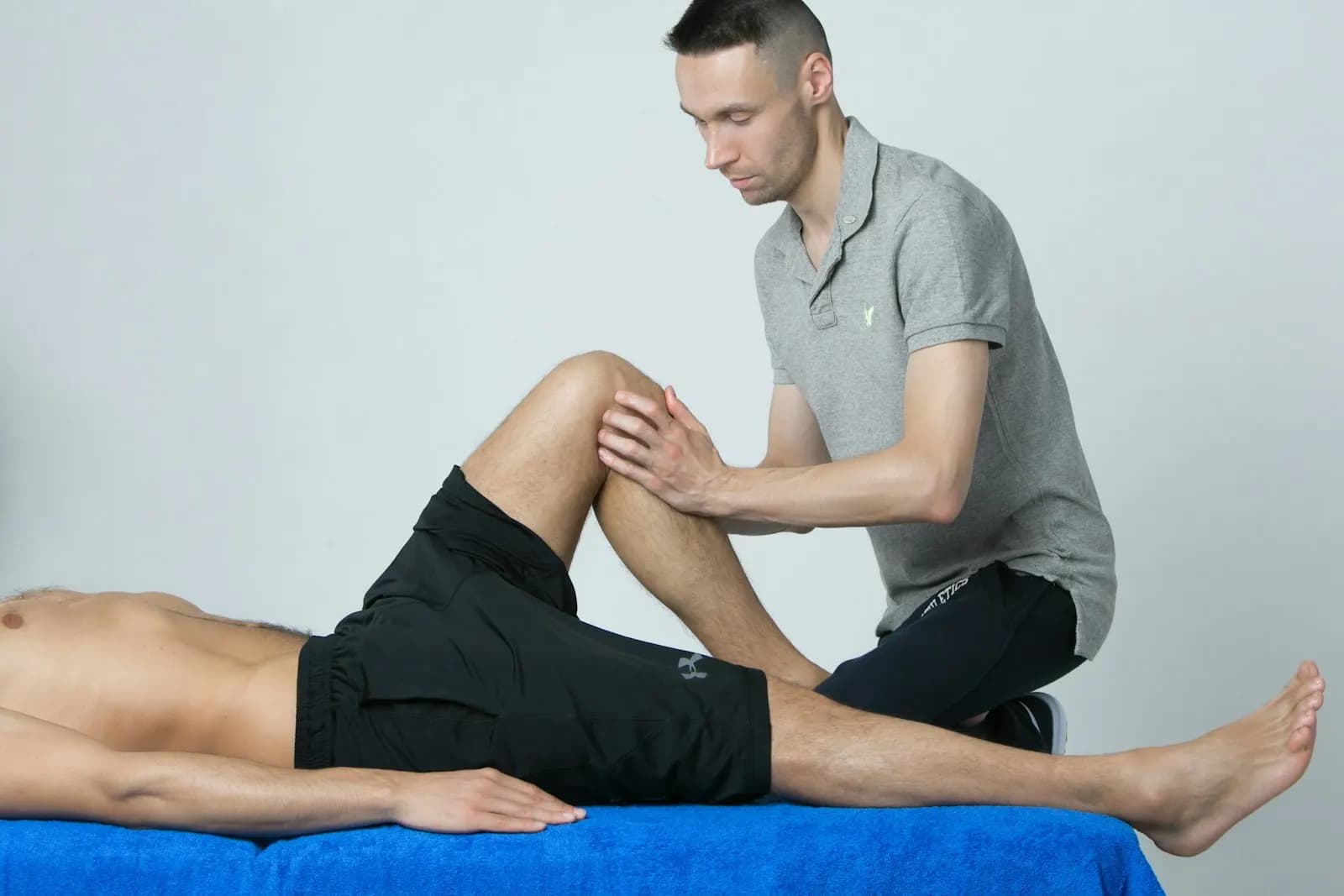
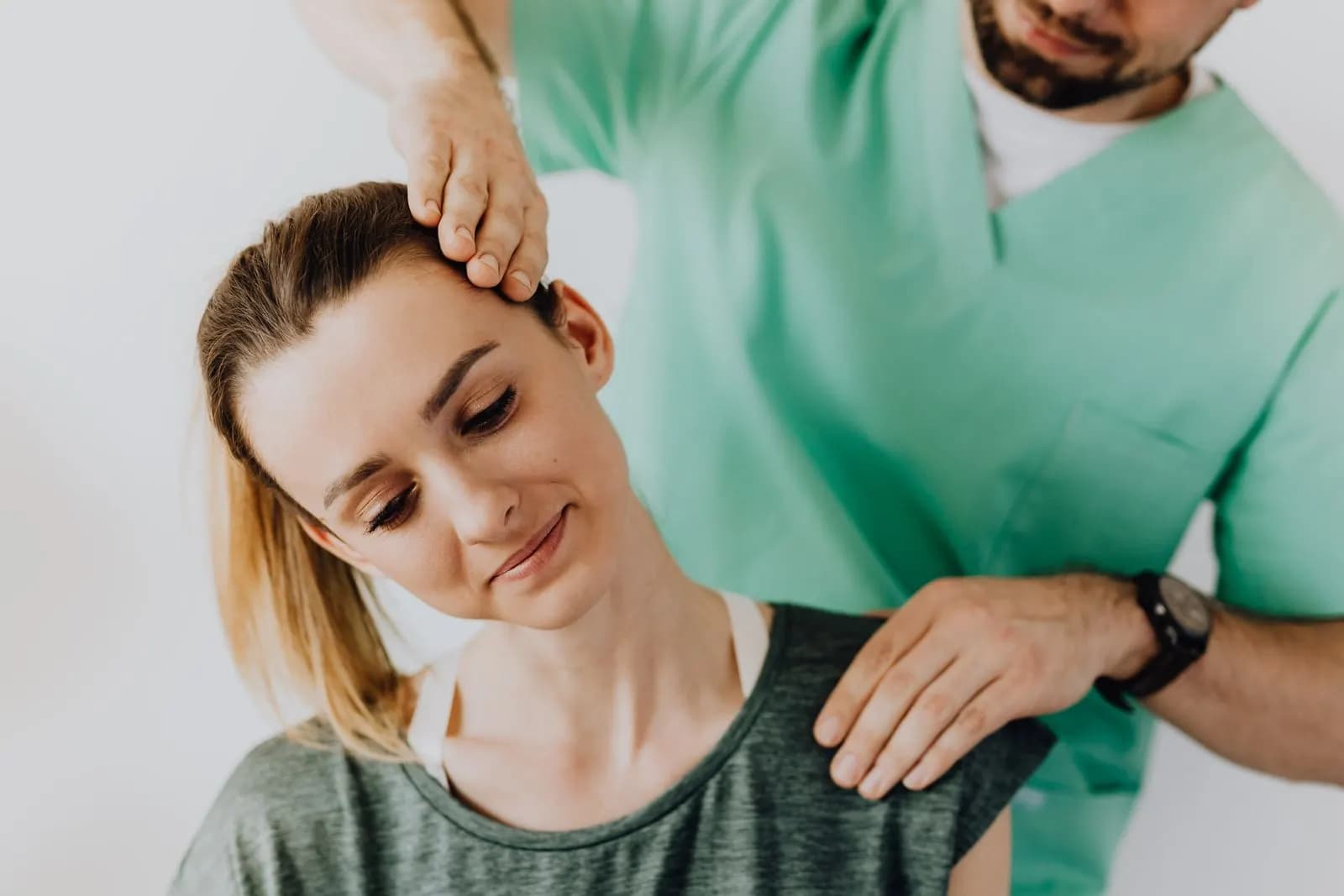
- Manual therapy, such as spinal mobilization or manipulation and soft tissue work, to reduce pain and help you move.
- Graded exercise, from pain-calming movements to real strength work for the hips, trunk and back.
- Education about what pain does and doesn't mean, which research shows may reduce fear and improve recovery.
- Return-to-activity plans for lifting, running, golf, yard work and your job.
- Dry needling where it helps.
Many people with a recent flare improve significantly in a few weeks. Chronic or recurring back pain usually takes a longer, strength-focused plan.
What the research says
The American College of Physicians' 2017 low back pain guideline (Qaseem et al.) tells clinicians to start with non-drug treatments. For recent back pain, it lists options like heat, massage and spinal manipulation, and notes that most people improve over time regardless of treatment. For chronic back pain, it recommends exercise, multidisciplinary rehab, spinal manipulation and mind-body approaches like yoga and tai chi before medication.
The honest limits: the guideline found no clear winner among the non-drug treatments for chronic back pain, and many of the effects are modest. That's why we tailor your plan to what you respond to and what you'll actually keep doing. We don't sell one technique as the answer.
This page covers: Lumbar Spondylolisthesis, Lumbar Stenosis, Degenerative Disc Disease, Degenerative Joint Disease (Lumbar Spondylosis), Herniated disc, Sacroiliac (SI) joint pain, Acute low back pain and spasms.
Condition 01
Lumbar Spondylolisthesis
Overview
Instability in the spine that occurs due to a fracture in adjacent vertebrae. This causes one vertebrae to slide forward and create compression of surrounding tissues and nerves. This can create numbness and tingling into the lower extremities and back pain.
Condition 02
Lumbar Stenosis
Overview
The age-related narrowing of the spinal canal can put pressure on the spinal cord resulting in leg pain or heaviness with standing and walking that eases when you sit or lean forward. We'll discuss how to return to activities you love, minimize symptoms when upright, and work around your diagnosis.
Condition 03
Degenerative Disc Disease
Overview
Age-related wear of the soft cushions (discs) that lie between the vertebrae. These shrink over time, causing us to lose our height. In severe cases, this can lead to compression of surrounding tissues and nerves and pain in the back and/or extremities.
Condition 04
Degenerative Joint Disease (Lumbar Spondylosis)
Overview
Age-related wear of the cartilage that covers the bones and minimizes impact in the spine. In severe cases, bones can start to rub against each other and create pain and inflammation in the spine and mobility limitations.
Condition 05
Herniated disc
Overview
including bulging or herniated discs, with or without leg pain. The squishy part between your vertebrae is stressed enough to the point it bulges or herniates and starts to put pressure on the surrounding nerves. We will perform an extensive assessment of lumbar mobility to determine the most effective treatment to reduce pain and get you back to moving normally again.

Condition 06
Sacroiliac (SI) joint pain
Overview
The SI joint refers to the connection of your pelvis to your spine. Patients can experience pain here or in related areas when the SI joint is moving too much or not moving enough. An often overlooked diagnosis, it is an important piece of the assessment we look at for all lower back pain.

Condition 07
Acute low back pain and spasms
Overview
The "I bent over to pick something up" kind. Typically a muscle spasm but can be disc-related. The sooner you can start rehab, the better. Research has shown manipulation to be a significant factor within the first couple weeks after acute injury to the low back.
Frequently asked questions
Do I need an MRI for my back pain?
Usually not at first. Guidelines advise against routine imaging in the first several weeks unless red flags are present. Disc bulges and "degeneration" show up on many scans of people without pain.
Should I rest until it stops hurting?
Staying gently active usually works better than bed rest. We'll show you which movements are safe and helpful right now.
Will I have to stop lifting weights?
Rarely for good. We'll modify your training in the short term and progress you back to the lifts you love.
My back keeps going out. Can you help with that?
Yes. Recurring back pain is often about capacity. We'll build strength and tolerance so everyday and training loads don't push you over the edge.
Ready to feel better?
Let’s take the next step toward better movement and less low back pain.