
What we treat
Ankle & Foot Pain
One-on-one physical therapy for ankle sprains, Achilles pain, plantar fasciitis and ankle instability in Marietta & East Cobb. Book a 90-minute evaluation.
Book an AppointmentUnderstanding the condition
Understanding ankle & foot pain
One-on-one physical therapy for ankle sprains, Achilles pain, plantar fasciitis and ankle instability in Marietta & East Cobb. Book a 90-minute evaluation.
Ankle & Foot Pain Treatment in Marietta and East Cobb
Your feet and ankles take every step, so when they hurt, everything is harder, from morning walks to long runs on the Silver Comet. Ankle sprains are the most common sports injury, and many people never fully rehab them, which is why so many sprain the same ankle again. At Prevent & Restore, your 90-minute one-on-one evaluation looks at the whole chain from foot to hip. Then we build strength, balance and capacity so you're back on your feet and less likely to get hurt again.
Common ankle and foot conditions we treat
- Ankle sprains. Stretch or tear of the ligaments that attach to the ankle bones and provide lateral (outer) stability. Both recent sprains and repeated sprains that leave the ankle feeling loose (chronic ankle instability). Because repeat sprains are common, a brace is often recommended when you return to sport.
- Achilles tendinopathy. Pain and overload of the tendon that attaches the calf muscles to the heel. Pain and stiffness in the Achilles, often worse first thing in the morning or at the start of a run. How often are you loading the tendon outside of running? Are we prepping the tendon properly to accept the loads placed on it?
- Plantar heel pain (plantar fasciitis). Irritation of the thick band of tissue that supports the arch of your foot, often from prolonged pressure on the arch. Sharp heel pain with your first steps in the morning or after sitting. What environment are we exposing our feet to? Shoe quality, hip strength, and ankle mobility are all important factors to consider for treatment.
- Posterior tibial tendon dysfunction. Dysfunction of the muscle and tendon involved in creating the arch of the foot. Pain often under or behind the inner bump of the ankle, or medial malleolus. Pain along the inside of the ankle and a flattening arch. These flat feet are treatable and adaptable.
- Shin splints (medial tibial stress syndrome). Pain along the inner back edge of the shin bone, due to lack of control when it comes to impact or the muscles that attach there (such as tibialis posterior and soleus) being overworked relative to what they can handle. What does your workload look like? Does it need to be modified to allow your shins more time to adapt to the forces? What kind of surface do you run on?
- Rehab after fractures and ankle surgery, including Achilles repair and ligament reconstruction. In coordination with your surgeon's protocol.
When to see a doctor first
Get an X-ray or see a physician if you can't take four steps after an ankle injury, have tenderness right on the ankle bones or the base of the fifth metatarsal (the bony bump on the outside of the midfoot), or have a lot of swelling and bruising. A sudden "kicked in the back of the leg" feeling with weakness pushing off may be an Achilles rupture and needs prompt care. Localized bone pain that worsens with running can be a stress fracture. Calf swelling and pain, especially after surgery or travel, needs urgent attention.
How we treat ankle and foot pain
Your 90-minute evaluation includes ankle mobility and strength testing, calf capacity testing (how many single-leg heel raises you can do), balance testing, a look at your footwear, and gait or running analysis when relevant.
60-minute follow-ups typically include:
- Progressive calf, foot and hip strengthening. Calf strength is often the missing piece in Achilles and heel pain.
- Balance and proprioception training to restore the ankle's ability to sense and react, which is key to preventing repeat sprains.
- Manual therapy to restore ankle motion after sprains and immobilization.
- Plyometric and agility work for return to running, court sports and field sports.
- Footwear and training load guidance.
An uncomplicated sprain may take a few weeks of focused rehab. Tendon and heel pain usually needs 8 to 12 weeks of consistent loading.
What the research says
A 2022 systematic review and meta-analysis (Wagemans et al., PLoS ONE) pooled 14 randomized trials of more than 2,000 adults with acute ankle sprains. Exercise-based rehab reduced the odds of re-injury at 12 months compared with usual care. That's the main reason we don't stop at "the swelling's gone."
The honest limits: the same review found mixed results for pain and function, and couldn't say which exercises, how much or how hard work best. Many of the programs studied were also of modest quality. We use the principles that hold up best, progressive balance, strength and sport-specific work, and adjust to how your ankle responds.
This page covers: Plantar Fasciitis, Achilles Tendinopathy, Shin splints (medial tibial stress syndrome), Posterior tibialis dysfunction, Turf toe, Lis-franc injury, Bunions.
Condition 01
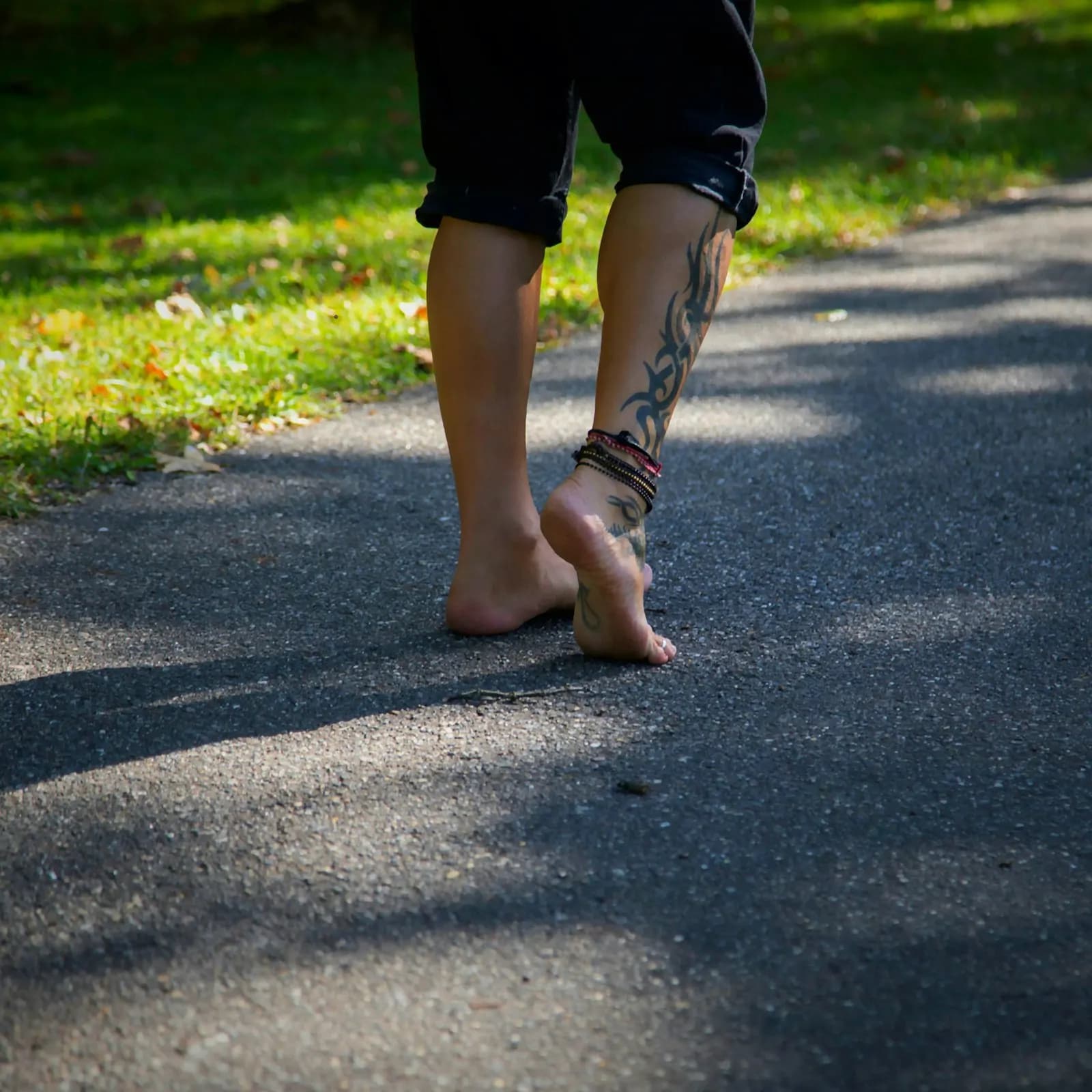
Plantar Fasciitis
Overview
Inflammation of the thick band of tissue that supports the arch of your foot, often from prolonged pressure on the arch. Sharp heel pain with your first steps in the morning or after sitting. What environment are we exposing our feet to? Shoe quality, hip strength, and ankle mobility are all important factors to consider for treatment.
Condition 02
Achilles Tendinopathy
Overview
Inflammation of the tendon that attaches the calf muscles to the heel. Pain and stiffness in the Achilles, often worse first thing in the morning or at the start of a run. How often are you loading the tendon outside of running? Are we prepping the tendon properly to accept the loads placed on it?

Condition 03
Shin splints (medial tibial stress syndrome)
Overview
Anterior tibialis muscle is being over stressed, due to lack of control when it comes to impact or being overworked relative to what the muscle can handle. What does your work load look like? Does it need to be modified to allow your shins more time to adapt to the forces? What kind of surface do you run on?
Condition 04
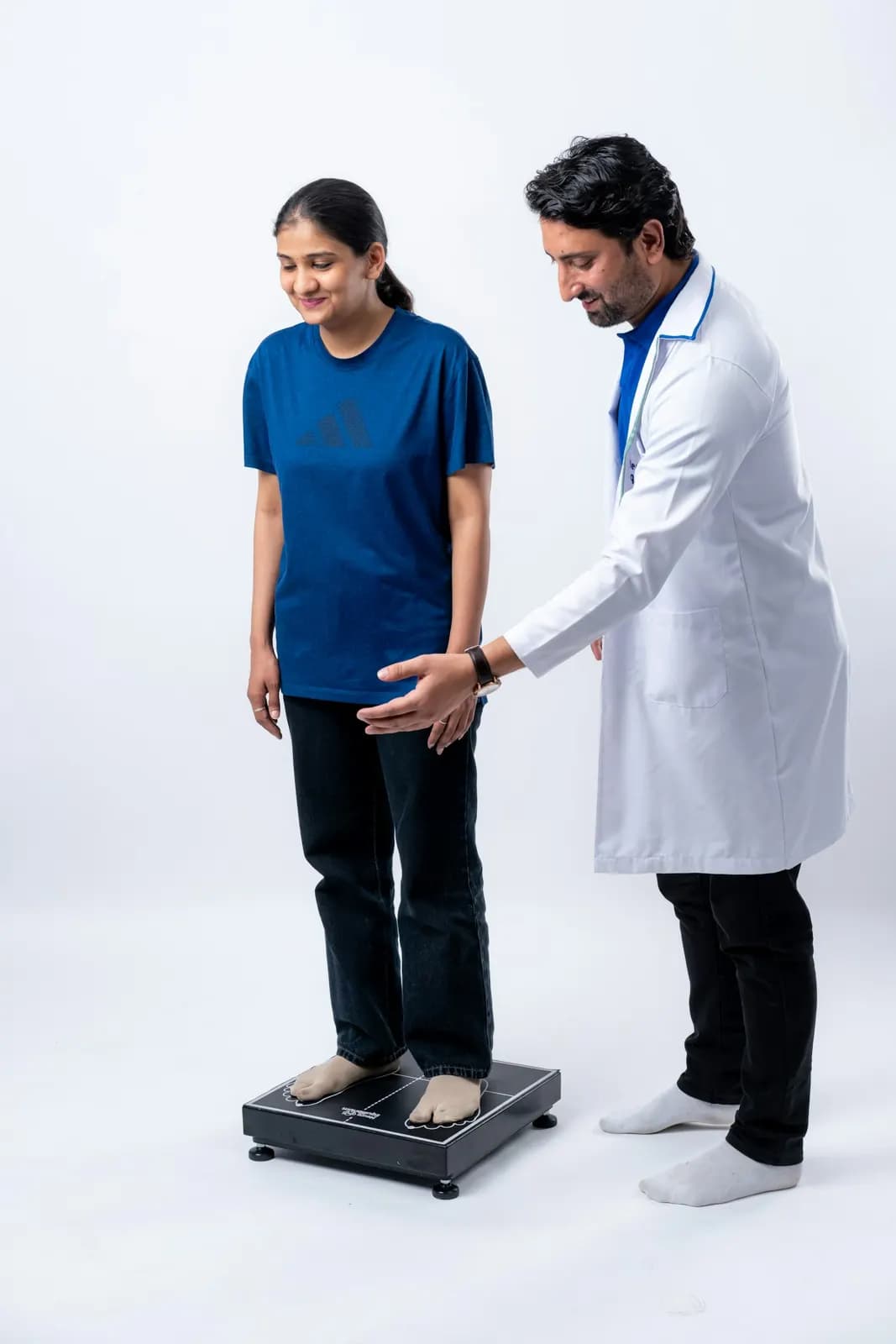
Posterior tibialis dysfunction
Overview
Dysfunction of the muscle and tendon involved in creating the arch of the foot. Pain often under or behind the inner bump of the ankle, or medial malleolus. Pain along the inside of the ankle and a flattening arch. These flat feet that are treatable and adaptable.
Condition 05
Turf toe
Overview
Sprain of the joint at the base of the big toe. Occurs when the body goes one direction and the big toe goes the opposite direction. Rest alone will not allow you to get back to pushing off that big toe. Instead, there is a brief rest period from certain motions that stretch the ligament but consistent strengthening needs of the muscles in the toes and foot.
Condition 06
Lis-franc injury
Overview
The ligaments that support the midfoot are torn or strained, causing a complete collapse of the foot and pain and inflammation in the entire foot. Common injury when somebody twists their foot when in a pointed position (horseback riding, football, or soccer).
Condition 07
Bunions
Overview
The big toe starts to curve inward under the smaller toes and create a large bony protrusion on the inner part of the big toe. Can lead to balance issues, pain in the big toe, and surgical intervention if bad enough. Can benefit from conservative management in rebuilding toe strength and big toe abduction and learning how to push off of toes. Avoidance of wearing thin toe box shoes.
Frequently asked questions
It's "just a sprain." Do I really need physical therapy?
Not everyone does, but repeat sprains and lingering instability are common after sprains that weren't rehabbed. A few focused visits can make a big difference.
Should I wear a brace?
A brace can help protect a recently sprained ankle during sport. We'll help you decide when to use one and when to wean off.
Do I need orthotics for plantar fasciitis?
Sometimes they help short term, but strengthening and load management usually matter more. We'll start there.
Can I keep running with Achilles pain?
Often yes, at a modified volume and with specific calf loading. We'll give you a clear rule for how much pain is acceptable.
Ready to feel better?
Let’s take the next step toward better movement and less ankle & foot pain.